Book one inspection for the whole building.
Got it.
Call (818) 934-0075.
On a condo or apartment building the roof is shared, and a leak rarely stays in one unit. Water that gets in at a drain or a parapet can travel along the deck and show up two units away. That makes the roof a board decision, and the time to make it is before the rains start.
Who is responsible for the roof?
In California, unless the association’s declaration says otherwise, the association is responsible for repairing and replacing the common area, and each owner is responsible for their own unit (Civil Code 4775). On most condo buildings the roof is common area. Your CC&Rs have the final word, so check them, and ask the association’s counsel if the wording is unclear. This guide is practical advice from a contractor, not legal advice.
The roof and your reserve study
California asks the board to have the major components the association maintains visually inspected at least once every three years as part of the reserve study (Civil Code 5550). The roof is usually one of the biggest of those components. A written roof report with dated photographs gives the reserve specialist something real to work from, instead of an estimate of remaining life made from the age of the building.
8 things to check on a shared roof before the rain
- Drains and scuppers. Flat and low-slope roofs depend on them. One drain blocked by leaves or a lost tennis ball can turn the roof into a shallow pool in a long storm.
- Parapet walls and their caps. The low walls around the roof edge are a classic entry point. Cracked stucco, loose coping and open joints let water into the wall and down into the units below.
- Membrane seams and blisters. On a flat roof, look for seams lifting at the edges, blisters and soft spots underfoot. Each one is a place water can get under the surface.
- Equipment on the roof. Air conditioning units, their curbs and stands, and the lines that run to them. Every curb is a seam, and service visits can damage the roof around them.
- Penetrations. Plumbing vents, exhaust fans, satellite and cable mounts. Older sealant dries out in the summer heat, and mounts added over the years are often sealed by whoever installed them.
- The roof hatch and access. A hatch that does not close tightly leaks straight into a stairwell or hallway.
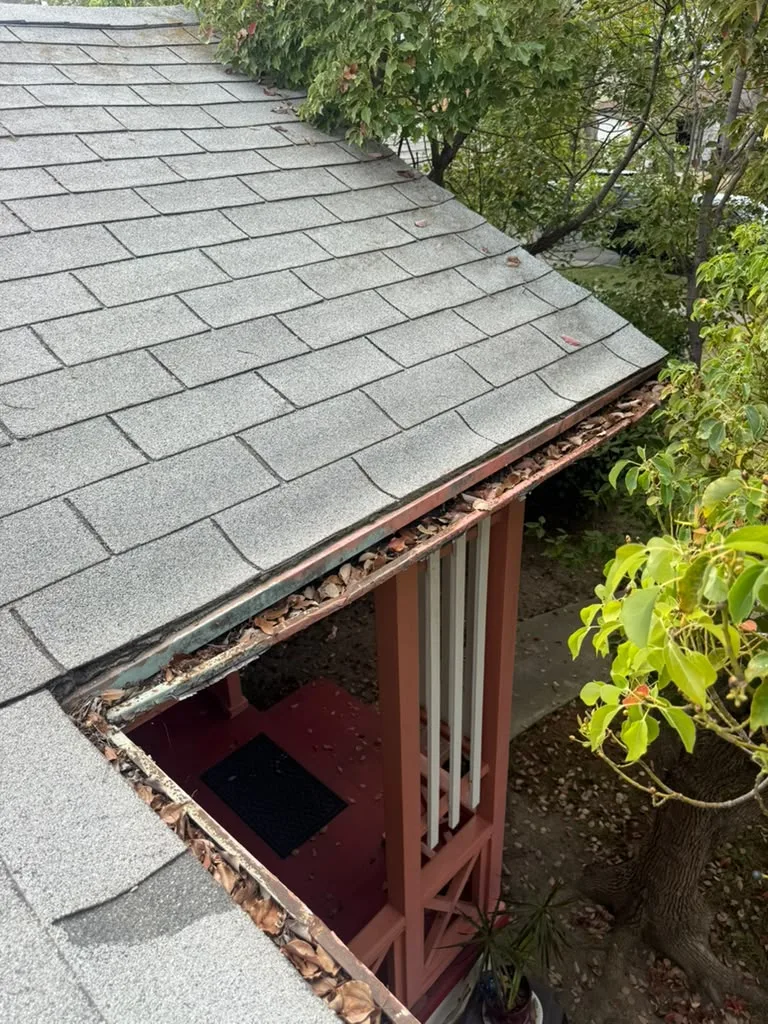
- Gutters and downspouts on pitched sections. Clear them, and make sure downspouts carry water away from walls, walkways and garage entrances.
- What residents have reported. Ask top-floor owners about stains or drips from last season. A stain that dried in the summer usually points straight at the spot that will leak again.
How to run it as one job
- One inspection for the whole roof. Not one unit at a time. The cause of a leak is often nowhere near the unit where it shows.
- A written report with photographs. It goes in the board packet, it informs the reserve study, and it lets every bidder price the same scope.
- Repairs ranked by urgency. What must be done before the rain, what can wait for the dry season, and what belongs in the reserve plan.
- Notice to residents. Access to the roof, noise and parking for the crew are easier when owners hear about them in advance.
What not to do
- Do not patch leak by leak, unit by unit. It spends money without ever finding the cause.
- Do not let individual owners hire their own roofer for the common roof. Work on a shared roof should go through the association, so it is documented and done to one standard.
- Do not wait for the first storm. Once the rain starts, roofers are busy with leak calls, and most repairs wait for dry weather.
Working with MAMOS
We work with boards, property managers and building owners across Los Angeles, including buildings in Westwood, Valley Village and North Hollywood, where most homes share a roof. The inspection is free and the findings come in writing, ready for the board packet. Because we also do stucco repair, gutters and exterior paint, the same visit covers the parapets, walls and drainage around the roof. If the roof is in good shape, the report says so.
For individual homes, see our winter storm roof guide. If water is already coming in, start with what to do in the first hour. Leave your name and number at the top of this page, or call (818) 934-0075. We call back within 15 minutes: 8am to 5pm Monday to Thursday, 8am to 2pm Friday.